Blog
Why You Need a VPN in 2026
A VPN is no longer a power-user tool. It is basic hygiene for anyone who values a private, open internet. Here is what it actually does for you.
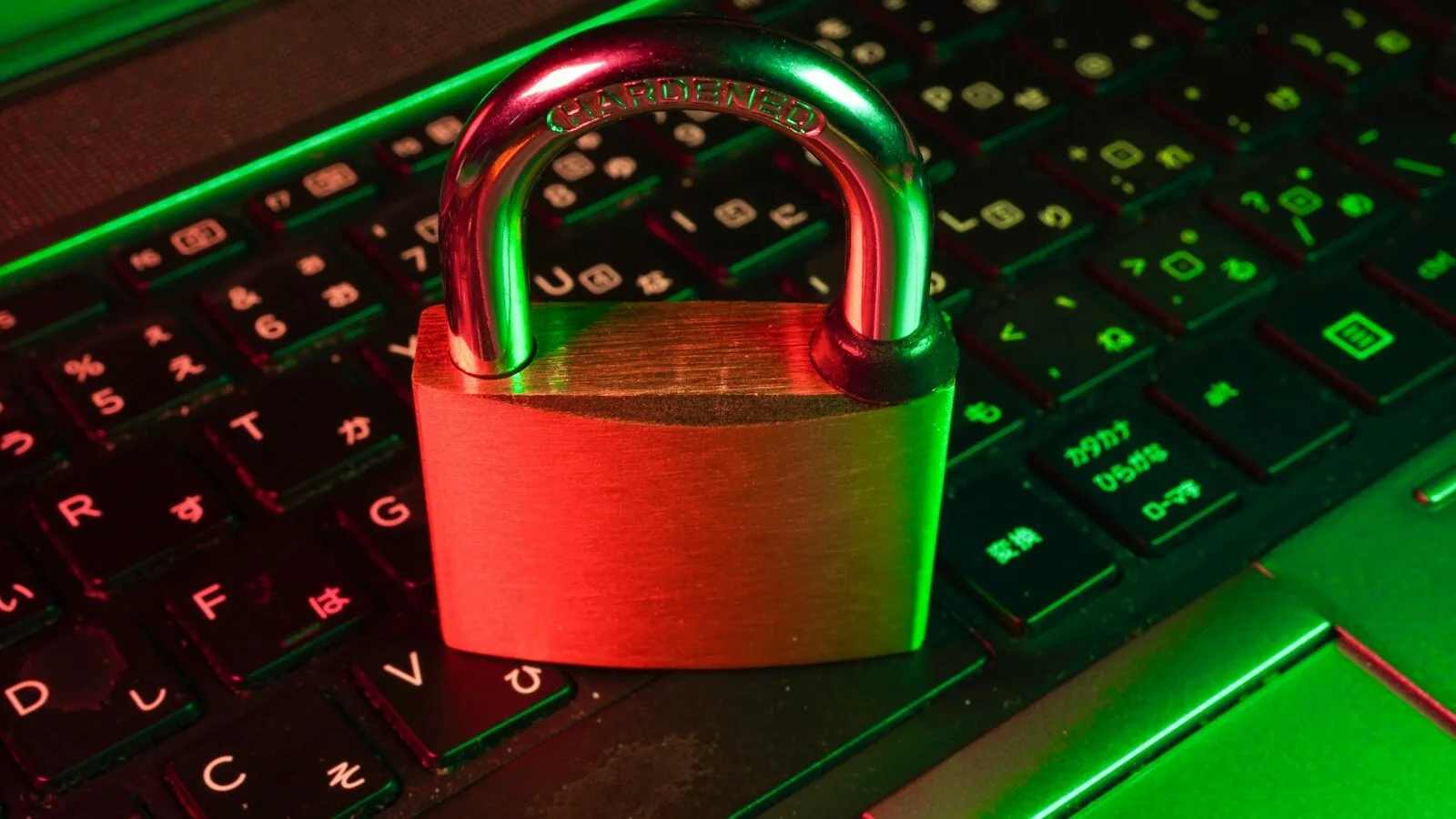
A VPN, virtual private network, encrypts the traffic leaving your device and routes it through a server you trust before it reaches the wider internet. That single change fixes a surprising number of everyday problems.
What a VPN actually protects
- Your network operator can't read your traffic. On public Wi‑Fi at a café, airport, or campus, anyone on the same network can attempt to snoop. With Ping VPN, your connection is wrapped in modern encryption (WireGuard's ChaCha20‑Poly1305) end‑to‑end to our servers.
- Your real IP address is hidden. Sites and trackers see the VPN server's address, not your home or mobile connection.
- You get a consistent, stable route. When local routing is congested or unreliable, a VPN can give you a cleaner path to the services you use.
What a VPN is not
A VPN is not a magic cloak. It won't make you anonymous if you log into accounts tied to your identity, and it won't protect you from malware you install yourself. It is one strong, practical layer, not the only one.
Privacy is not about having something to hide. It's about choosing what you share, and with whom.
How Ping VPN does it
Ping VPN runs on WireGuard, a modern protocol that is dramatically faster and leaner than older options like OpenVPN. Combined with our strict no‑logs policy and a fast, growing server network, you get speed and privacy without the usual trade‑off.
Ready to try it? Get the app and connect in seconds.
Ready to go private?
Get fast, encrypted, no-logs VPN on every device you own.